





RIVA Living Room: A Complete Guide to Creating a Stylish, Comfortable and Well-Designed Home
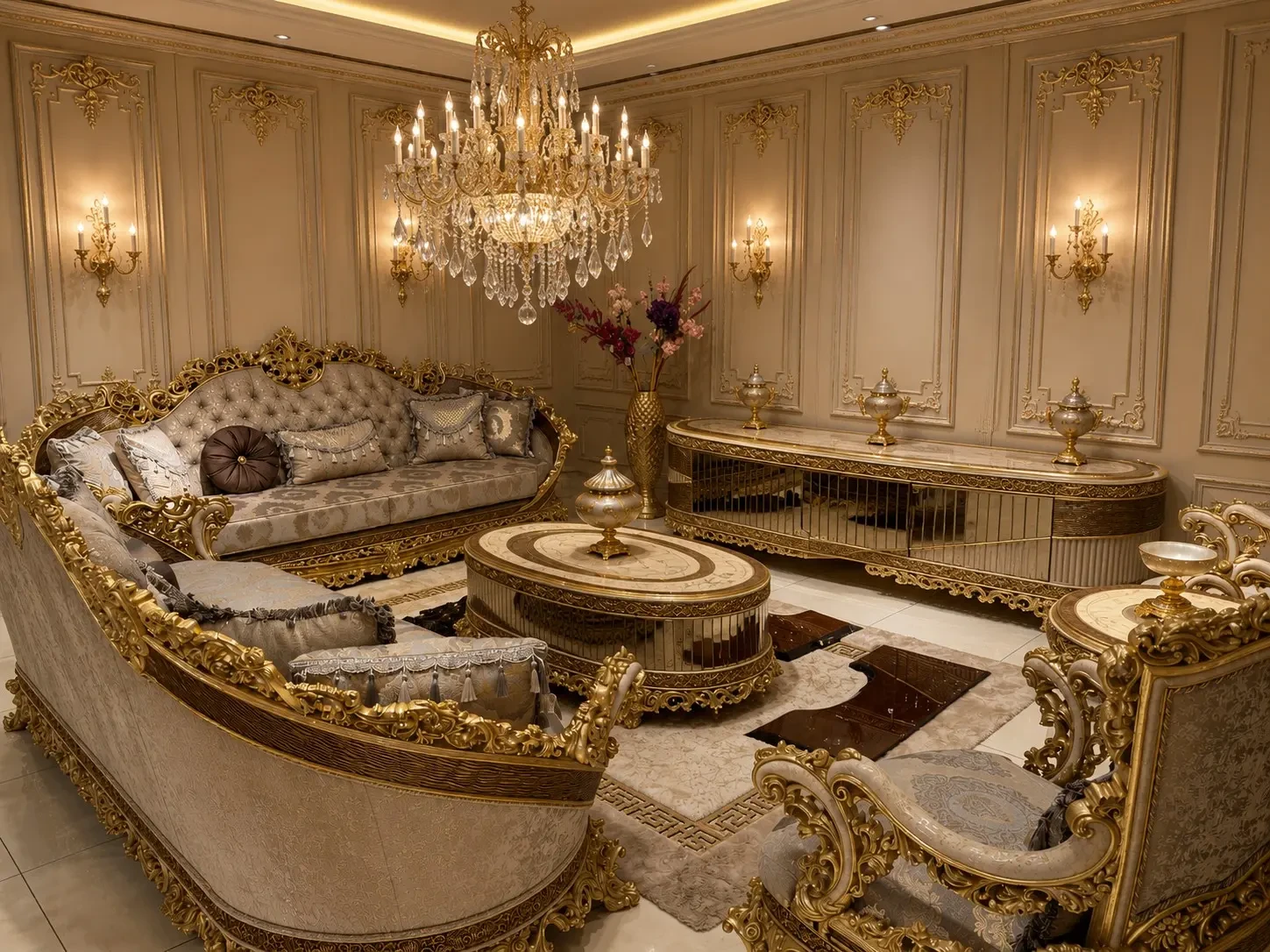
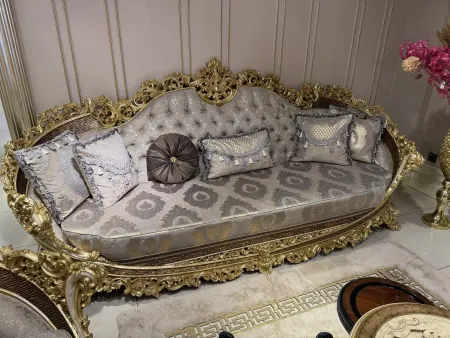
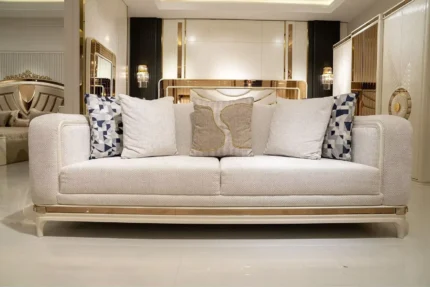
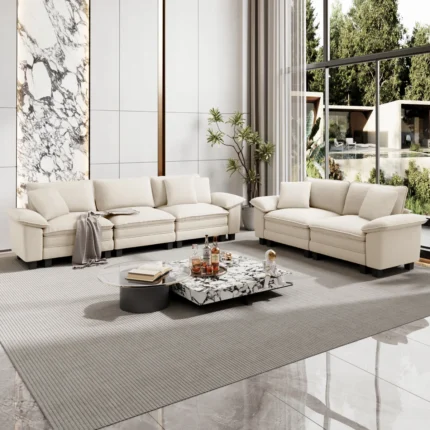
The RIVA Living Room can become the centerpiece of a beautifully organized home, offering a foundation around which homeowners can build an inviting, functional, and sophisticated interior. A living room is one of the most frequently used spaces in a home, so choosing the right furniture involves more than simply selecting an attractive design. The best living room combines comfort, proportion, functionality, atmosphere, and personal style.
When planning a room around the RIVA Living Room, think beyond the furniture itself. Consider how the room will be used throughout the day, how people will move through it, where natural light enters, how the seating will face the entertainment area, and how decorative elements will work together.
A carefully designed living room can feel relaxing in the evening, bright and energetic during the day, comfortable when family members gather, and welcoming when guests arrive.
For more living room furniture and home furnishing options, visit https://exotichomesfunitures.com.
Understanding the RIVA Living Room
The main seating arrangement usually determines the structure of a living room. It establishes where people sit and influences the position of tables, rugs, lighting, artwork, and additional seating.
The RIVA Living Room can serve as the visual and functional foundation of your interior.
Rather than purchasing accessories first, begin with the main furniture.
Think about the available floor space.
Think about the location of doors and windows.
Consider your television or entertainment area.
Identify the room’s natural focal point.
Then begin building the design around the RIVA Living Room.
This approach can produce a more cohesive result than purchasing individual pieces without considering how they relate to one another.
Why the Living Room Matters
The living room often performs several functions simultaneously.
It can be a place to relax after work, watch television, entertain friends, spend time with family, read, listen to music, or simply enjoy a quiet moment.
Because the room serves so many purposes, furniture needs to support different activities.
The RIVA Living Room can provide the central seating area while additional pieces give the room flexibility.
A coffee table provides convenience.
Side tables create accessible surfaces.
Lamps provide lighting.
An area rug defines the space.
Artwork adds personality.
Plants introduce natural character.
Each element contributes to the overall experience.
Start With Measurements
Before planning any furniture arrangement, measure the room.
Measure the length and width.
Measure doorways.
Measure hallways.
Measure staircases.
Measure elevators if applicable.
Measure the available wall space.
Do not assume that furniture will fit simply because the room looks large enough.
Delivery access is also important.
A furniture piece may fit perfectly in your living room but still be difficult to bring through a narrow entrance.
Careful measurements can prevent many avoidable problems.
Understanding Furniture Proportion
One of the most important interior design principles is proportion.
Furniture should relate to the size of the room.
An oversized arrangement in a small room can make the space feel crowded.
Furniture that is too small for a large room can make the room feel empty.
The RIVA Living Room should therefore be considered in relation to the complete space.
Think about the height of the ceilings, the size of the windows, the wall dimensions, and the amount of open floor space.
Creating a Balanced Layout
Balance does not necessarily mean everything has to match.
A balanced room simply feels visually stable.
For example, a large sofa arrangement can be balanced by an appropriately sized coffee table, floor lamp, artwork, or accent chair.
You can use symmetry if you prefer a traditional appearance.
You can use asymmetry for a more contemporary feel.
The goal is to create an arrangement that feels intentional.
Planning Traffic Flow
Traffic flow refers to how people move through the room.
This is often overlooked when homeowners focus heavily on decoration.
Leave clear paths around the RIVA Living Room.
Make sure doors can open comfortably.
Avoid blocking frequently used walkways.
Ensure people can reach seating without walking through awkward spaces.
Good traffic flow makes the room more comfortable and practical.
Choosing the Right Rug
An area rug can help define the living room.
This is particularly useful in open-plan homes.
The rug can visually connect the RIVA Living Room, coffee table, and additional seating.
Size matters.
A rug that is too small can make the furniture arrangement appear disconnected.
A larger rug can visually unify the entire seating area.
Color and texture are equally important.
A neutral rug can create a calm foundation.
A patterned rug can introduce personality.
A textured rug can add visual depth.
Selecting a Coffee Table
The coffee table should be both attractive and functional.
Consider its relationship with the RIVA Living Room.
The table should be accessible from the main seating.
There should be enough room for people to move comfortably around it.
Choose a shape based on the room.
Rectangular tables can work well in longer layouts.
Round tables can soften rooms with many straight lines.
Square tables can work well in balanced arrangements.
The material also influences the overall atmosphere.
Wood creates warmth.
Glass can feel visually light.
Metal can introduce contemporary character.
Side Tables and Practicality
Side tables are useful for everyday living.
They provide places for lamps, books, drinks, remote controls, and decorative objects.
Place them where they are easily accessible.
Avoid choosing side tables that are significantly taller or shorter than the seating unless the difference is intentional.
Functionality should always remain part of the design.
Creating a Layered Lighting System
A beautiful living room needs appropriate lighting.
Instead of relying on one ceiling fixture, consider using multiple sources.
Ambient lighting illuminates the room.
Task lighting supports specific activities.
Accent lighting highlights artwork or architectural details.
Floor lamps can brighten darker corners.
Table lamps can create intimate pools of light.
Wall lights can add another layer.
A layered lighting system allows you to change the mood of the RIVA Living Room throughout the day.
Making the Most of Natural Light
Natural light can transform a living room.
It can make colors appear brighter and the space feel more open.
Avoid unnecessarily blocking windows.
Use curtains that complement the room while allowing you to control privacy and sunlight.
Position mirrors strategically to reflect available light.
The amount and direction of daylight should be considered when choosing colors and accessories.
Choosing Curtains
Curtains help frame windows and influence the atmosphere of the room.
Floor-length curtains can create a more elegant appearance.
Light fabrics can maintain an airy atmosphere.
Heavier materials can create a more dramatic environment.
Neutral curtains provide versatility.
Patterned curtains can introduce personality.
Choose curtains that complement the RIVA Living Room instead of competing with it.
Building a Color Palette
A coordinated color palette makes a living room feel more cohesive.
Start by identifying the dominant colors in the RIVA Living Room.
Then introduce secondary colors through rugs, curtains, artwork, pillows, and accessories.
You can use neutral colors for a calm environment.
You can use darker tones for drama.
You can introduce brighter accents for personality.
The important thing is to create relationships between the colors.
Creating a Warm and Inviting Interior
Warm interiors often use colors such as cream, beige, brown, terracotta, warm gray, and natural wood.
Soft lighting can strengthen this effect.
Textured rugs and throws can also make the space feel more comfortable.
The RIVA Living Room can become the central feature of this welcoming atmosphere.
Creating a Contemporary Interior
A contemporary living room often emphasizes clean lines, balanced colors, modern lighting, and limited decoration.
Choose accessories carefully.
Avoid unnecessary clutter.
Use artwork strategically.
Select a coffee table with a design that complements the main furniture.
The result can feel modern without becoming overly dependent on short-term trends.
Creating a Minimalist Interior
Minimalism focuses on intentional design.
This does not mean your living room has to be empty.
Instead, every object should have a purpose.
The RIVA Living Room can serve as the primary feature.
A simple rug can define the space.
A coffee table can provide functionality.
One large artwork piece can replace multiple small decorations.
This creates a clean and peaceful environment.
Creating a Luxury-Inspired Interior
Luxury-inspired interiors often combine texture, lighting, proportion, and sophisticated accessories.
Consider adding:
- Decorative mirrors
- Statement lighting
- Elegant artwork
- Textured rugs
- Metallic accents
- Quality-looking accessories
- Decorative pillows
- Floor-length curtains
Avoid excessive decoration.
Luxury often looks more sophisticated when it is controlled.
Using Artwork Effectively
Artwork can give your living room personality.
Large artwork can establish a focal point.
A gallery wall can create an expressive display.
Abstract artwork can complement contemporary interiors.
Photography can create a personal atmosphere.
Classic artwork can add timeless character.
Consider the size of the RIVA Living Room when selecting artwork.
A small picture above a large furniture arrangement can look visually disconnected.
Decorating With Mirrors
Mirrors can make a room feel brighter and more spacious.
A large decorative mirror can become a statement feature.
Smaller mirrors can be used as part of a gallery arrangement.
Position mirrors so they reflect attractive parts of the room or available daylight.
Adding Plants
Plants are an easy way to introduce natural character.
A tall plant can fill an empty corner.
Smaller plants can decorate shelves or side tables.
Greenery can also soften the visual appearance of furniture and hard surfaces.
Choose plants according to the light conditions in your room.
Creating a Cozy Living Room
Comfort comes from more than the sofa.
Combine the RIVA Living Room with:
Soft pillows.
Throws.
An area rug.
Warm lighting.
Curtains.
Natural elements.
Personal accessories.
This creates an environment where people naturally want to relax.
Creating a Family Living Room
A family living room should support everyday life.
Children may play.
Adults may relax.
Family members may watch television.
Guests may visit.
The layout should therefore be flexible.
Keep pathways open.
Provide practical storage.
Choose accessories that do not create unnecessary obstacles.
The RIVA Living Room can form the main family seating area.
Designing a Guest-Friendly Space
When guests visit, seating should encourage conversation.
Arrange furniture so people can comfortably see each other.
Make tables accessible.
Provide appropriate lighting.
Keep clutter under control.
A welcoming environment does not require excessive decoration.
It requires thoughtful organization.
Creating an Entertainment Area
Many modern living rooms are centered around entertainment.
If the television is the main focal point, position the RIVA Living Room for comfortable viewing.
Avoid excessive screen glare.
Organize electronic equipment.
Keep cables hidden where possible.
Use a media console that complements the room.
Entertainment functionality should not destroy the visual harmony of the interior.
Creating a Reading Area
A reading corner can make your living room more versatile.
Add a comfortable chair.
Place a floor lamp nearby.
Use a side table for books and drinks.
Add a throw.
This small area can become a peaceful retreat.
Designing for Open-Plan Homes
Open-plan spaces require clear visual zones.
Use an area rug to define the living area.
Position the RIVA Living Room so that it naturally separates the living zone from nearby spaces.
A console table can create another visual boundary.
Lighting can also distinguish one zone from another.
The objective is to create openness without making the room feel disorganized.
Designing a Small Living Room
Small spaces require careful planning.
Do not automatically fill every available corner.
Choose appropriately scaled furniture.
Avoid oversized accessories.
Keep walking areas clear.
Use mirrors strategically.
Maintain visual simplicity.
A well-planned RIVA Living Room can make a smaller room feel comfortable and organized.
Designing a Large Living Room
Large rooms require enough visual weight.
If furniture is too small, the room can feel empty.
Use a larger rug.
Consider accent chairs.
Create separate seating zones.
Add large artwork.
Use multiple lighting sources.
The RIVA Living Room can anchor the primary seating zone.
Apartment Design
Apartments often require efficient furniture planning.
Measure entrances carefully.
Consider limited storage.
Think about how the room connects to other spaces.
Use furniture to define zones.
Avoid unnecessary clutter.
The RIVA Living Room can become the foundation of an apartment interior when appropriately scaled.
Using Storage Strategically
Storage can improve both appearance and functionality.
Consider:
Media cabinets.
Shelving.
Storage baskets.
Console tables.
Sideboards.
Storage ottomans.
The best storage solutions keep everyday items accessible without allowing the room to look cluttered.
Understanding Negative Space
Negative space is the empty space around furniture.
It is essential.
Without negative space, the room can feel crowded.
Allow the RIVA Living Room to breathe.
Avoid filling every empty wall and corner.
Sometimes an empty area makes the furniture look more impressive.
Creating Symmetry
Symmetry can create a sense of order.
Two matching lamps.
Two similar side tables.
Matching artwork.
Balanced seating.
This approach often works well in traditional and formal interiors.
Creating Asymmetry
Asymmetrical arrangements can feel more relaxed and contemporary.
For example, a floor lamp can balance a large plant on the opposite side.
A large artwork piece can be balanced by several smaller pieces elsewhere.
The key is visual weight rather than identical objects.
Using Repetition
Repetition creates cohesion.
Repeat a color throughout the room.
Repeat a material.
Repeat a shape.
Repeat a texture.
For example, wood appearing in a coffee table could be echoed in decorative shelving or a media console.
This makes the room feel connected.
Understanding Contrast
Contrast creates visual interest.
Light and dark.
Soft and hard.
Smooth and textured.
Modern and traditional.
Warm and cool.
The RIVA Living Room can be paired with contrasting materials to create a more sophisticated environment.
Creating a Timeless Design
A timeless room does not need to follow every current trend.
Focus on comfort.
Good proportions.
Balanced colors.
Quality-looking materials.
Functional furniture.
Thoughtful lighting.
The RIVA Living Room can remain attractive while accessories change over time.
Refreshing the Room Without Replacing Furniture
You can transform the atmosphere without purchasing an entirely new furniture set.
Change the rug.
Replace pillows.
Update curtains.
Move artwork.
Introduce plants.
Change lighting.
Rearrange accessories.
This allows the RIVA Living Room to remain the foundation while the room evolves.
Seasonal Decorating
Seasonal accessories can refresh the interior.
Spring may bring lighter colors.
Summer can introduce airy textures.
Autumn can add warm earthy tones.
Winter can bring heavier throws and richer decorative colors.
These changes can keep the living room visually interesting throughout the year.
Creating a Designer-Inspired Look
Designer-looking interiors often have one thing in common: intentionality.
Furniture is properly scaled.
Colors relate to one another.
Lighting is layered.
Accessories are controlled.
Artwork is appropriately sized.
The room is neither too empty nor too crowded.
These principles can be applied to an RIVA Living Room regardless of budget.
Creating a Sophisticated Neutral Room
Neutral interiors can become highly sophisticated through texture.
Use cream, beige, taupe, gray, and natural materials.
Then introduce:
Textured pillows.
A patterned rug.
Wood.
Metal.
Glass.
Plants.
This creates depth while maintaining a calm palette.
Creating a Bold Room
If you prefer stronger design, introduce a dramatic accent color.
Deep green.
Navy.
Burgundy.
Charcoal.
Terracotta.
Use the chosen accent in several places.
This creates consistency rather than random color placement.
Creating a Natural Interior
Natural interiors can combine the RIVA Living Room with wood, greenery, woven materials, earthy colors, and organic shapes.
The result can feel relaxed and connected to nature.
Creating a Glamorous Interior
For a glamorous atmosphere, consider:
Statement lighting.
Decorative mirrors.
Elegant rugs.
Metallic details.
Rich textures.
Sophisticated artwork.
Use these elements selectively.
A few strong details often create more impact than a room filled with decorations.
Furniture Maintenance
Maintaining furniture is important for preserving its appearance.
Follow the care instructions supplied for your specific furniture.
Clean spills promptly.
Avoid unsuitable cleaning products.
Protect surfaces from excessive moisture and heat.
Regularly clean the surrounding area.
Good maintenance helps preserve the appearance of the RIVA Living Room.
Why Furniture Should Match Your Lifestyle
Interior design should support the way you actually live.
If you frequently entertain guests, prioritize conversation and flexible seating.
If you enjoy movies, prioritize viewing comfort.
If you have children, prioritize practical organization.
If you enjoy reading, create a reading area.
If you prefer quiet evenings, emphasize comfortable lighting and soft textures.
The RIVA Living Room can be adapted to many different lifestyles.
Designing Around Your Personality
Your home should not look like a showroom.
Personalize it.
Display photographs.
Use books.
Choose artwork that means something to you.
Add plants you enjoy.
Select colors that make you comfortable.
Your furniture creates the foundation, but personal details turn the room into your home.
Creating a Welcoming Entrance View
If the living room is visible from the entrance, think about the first impression.
Keep the area organized.
Create a clear focal point.
Use suitable lighting.
Position the RIVA Living Room attractively.
Avoid unnecessary clutter.
The first view of a room can strongly influence how the entire home feels.
Making a Room Feel Bigger
Several techniques can increase visual spaciousness.
Maintain clear pathways.
Use appropriately sized furniture.
Choose a coordinated color palette.
Use mirrors.
Maximize natural light.
Avoid excessive decoration.
The RIVA Living Room should be scaled according to the room.
Making a Large Room Feel Comfortable
Large rooms can sometimes feel cold.
Introduce larger rugs.
Create separate zones.
Use plants.
Add multiple lamps.
Use textured fabrics.
Position furniture to encourage conversation.
These techniques can make a large room feel more intimate.
Creating a Relaxing Nighttime Environment
At night, reduce reliance on harsh overhead lights.
Use floor lamps.
Use table lamps.
Add accent lighting.
Use soft textiles.
Keep the room organized.
The RIVA Living Room can become a relaxing retreat at the end of the day.
Creating an Energizing Daytime Environment
During the day, use natural light where possible.
Keep windows unobstructed.
Use lighter accessories.
Maintain an organized environment.
Daylight can make the room feel fresh and spacious.
Designing a Multi-Purpose Living Room
A modern living room may need to support several activities.
Create zones.
A main seating area.
An entertainment zone.
A reading corner.
An occasional workspace.
The RIVA Living Room can anchor the main zone while smaller furniture defines other areas.
Choosing Complementary Furniture
Additional furniture does not need to be identical.
Instead, find relationships between pieces.
Similar colors.
Related materials.
Complementary shapes.
Consistent design language.
This creates a coordinated interior without making everything look like a matching showroom set.
The Importance of Scale in Artwork
Artwork should be proportional to the wall and furniture.
A large wall may require a larger piece or a collection.
A narrow wall may work better with a vertical piece.
The artwork should feel connected to the furniture beneath it.
Styling the Coffee Table
A coffee table can be decorated without becoming impractical.
Consider a decorative tray.
A book.
A small plant.
A vase.
A sculptural object.
Leave sufficient open space.
The table should still be usable.
Styling Shelves
Shelves can display books, plants, artwork, and decorative objects.
Avoid filling every shelf completely.
Mix different heights.
Leave some empty space.
This creates a more sophisticated arrangement.
The Importance of Organization
Even beautiful furniture can look less impressive when surrounded by clutter.
Create designated locations for everyday items.
Use baskets.
Use cabinets.
Use drawers.
Use shelves.
Keep frequently used objects organized.
The RIVA Living Room will look more polished when the surrounding environment is controlled.
Choosing Accessories
Accessories should complement the main furniture.
Avoid purchasing everything in the same style.
Mixing complementary materials can make the room feel more natural.
A modern lamp can work with a traditional accessory.
A wooden table can work with contemporary artwork.
The goal is harmony rather than perfect matching.
Designing a Living Room for Memories
A living room becomes meaningful through the experiences that happen inside it.
Family gatherings.
Movie nights.
Birthday celebrations.
Conversations.
Quiet evenings.
Holiday moments.
A comfortable RIVA Living Room can become part of those experiences.
Why Comfort Should Come First
A beautiful living room that nobody wants to use has failed its primary purpose.
Comfort should influence furniture placement.
Provide sufficient seating.
Create convenient tables.
Use appropriate lighting.
Maintain comfortable temperatures.
Add soft textiles.
Design the room around real human behavior.
Final Guide to Styling the RIVA Living Room
The RIVA Living Room can serve as a strong foundation for creating an interior that combines comfort, functionality, and visual sophistication.
Start by measuring your space.
Plan the furniture layout.
Consider traffic flow.
Choose an appropriately sized rug.
Select a functional coffee table.
Add side tables.
Build layered lighting.
Coordinate your colors.
Introduce different textures.
Use artwork to create personality.
Add plants.
Provide practical storage.
Keep clutter under control.
Leave enough negative space.
Then personalize the room according to your lifestyle.
The best living room is not necessarily the one with the most furniture or the most expensive decorations.
It is the room where everything works together.
The furniture fits the space.
The colors complement one another.
The lighting supports different activities.
The layout allows people to move naturally.
The accessories reflect personality.
The room feels comfortable.
The design remains practical.
The RIVA Living Room can be styled in countless ways. It can become the centerpiece of a contemporary apartment, a warm family home, a sophisticated entertaining space, a minimalist interior, a luxury-inspired environment, or a comfortable everyday retreat.
Your design choices determine the final personality.
A carefully selected rug can establish the seating area.
A coffee table can provide practical function.
Artwork can create visual interest.
Plants can bring natural elements indoors.
Lighting can transform the atmosphere from bright and energetic during the day to warm and relaxing at night.
Pillows and throws can introduce seasonal changes.
Storage can keep the environment organized.
Together, these details transform furniture into a complete living experience.
For homeowners exploring additional furniture pieces, living room collections, and home furnishing ideas, visit https://exotichomesfunitures.com.
A thoughtfully furnished living room is not simply about appearance. It is about creating a space that supports your lifestyle, reflects your personality, welcomes your guests, and gives you a comfortable place to enjoy everyday life.
The RIVA Living Room can be the foundation of that vision. With thoughtful planning, appropriate proportions, carefully selected accessories, and a strong understanding of how your household uses the space, you can transform an ordinary living area into an environment that feels polished, welcoming, functional, and genuinely yours.




Reviews
There are no reviews yet.