


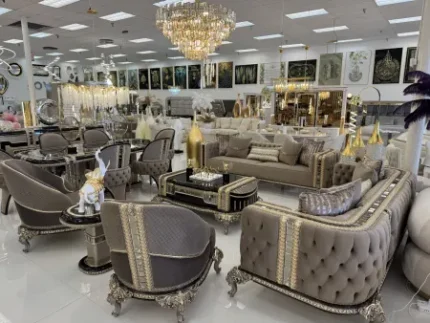

499 Living Room: A Complete Guide to Creating a Stylish, Comfortable and Modern Home
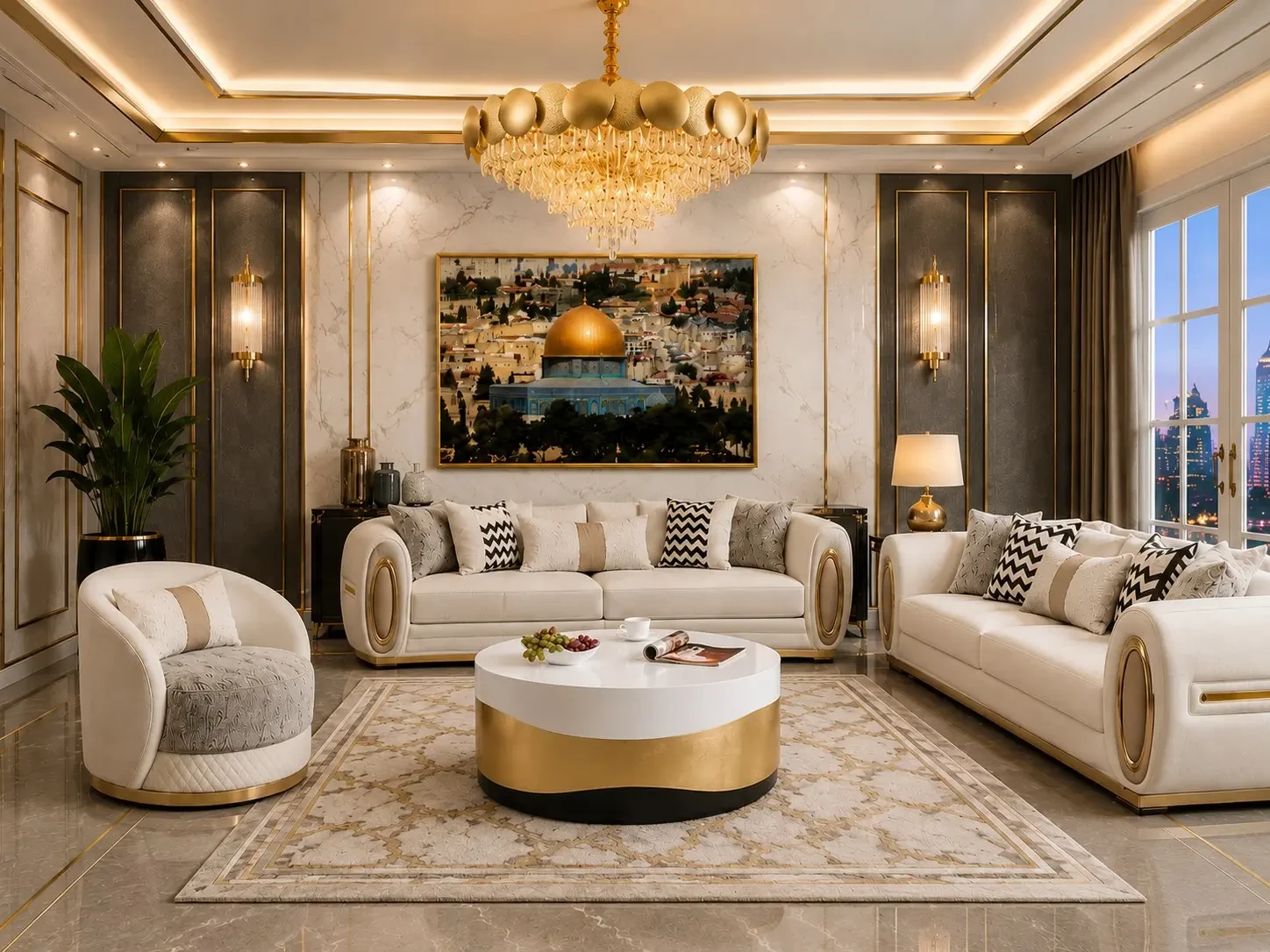
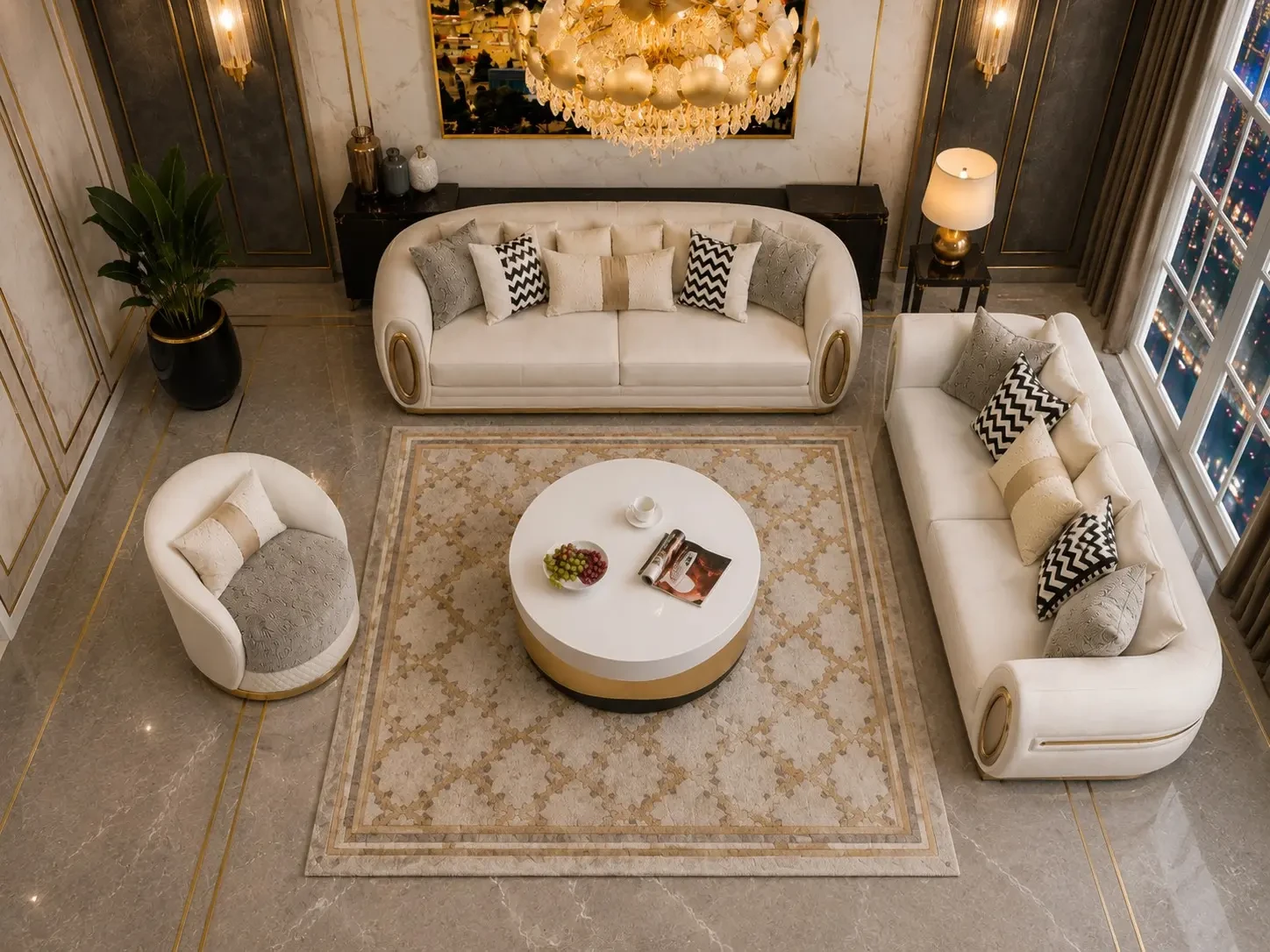
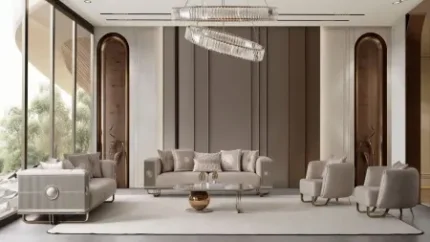
The 499 Living Room can be the foundation of a beautiful home interior where comfort, style, functionality, and personality come together. A living room is more than a collection of furniture. It is one of the most important spaces in a home, providing a place for relaxation, family time, entertainment, conversations, and welcoming guests.
The number 499 can represent a model or collection name, so this article focuses on how to style and maximize a living room centered around the 499 furniture design without assuming specific dimensions or materials that have not been provided.
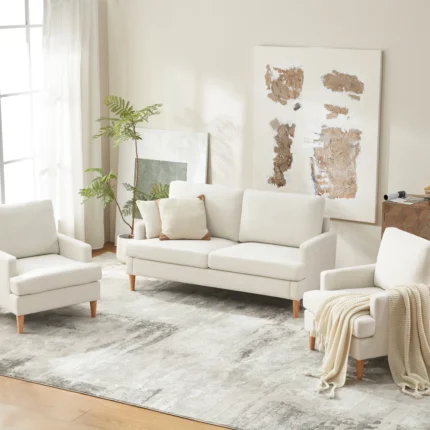
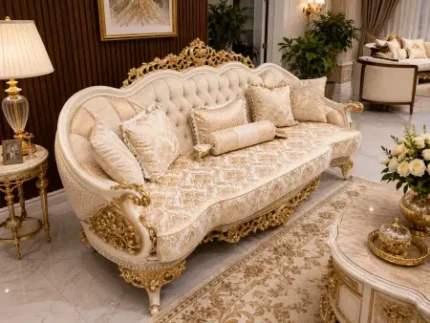
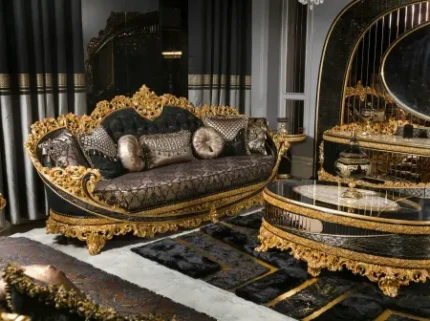
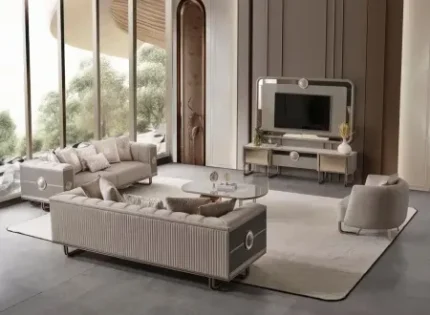
Modern living room furniture is available in many different configurations, from individual sofas and accent chairs to complete coordinated collections. Current furniture retailers similarly emphasize sofas, sectionals, lounge chairs, coffee tables, media units, shelving, and complementary bundles as key components of living-room design. (Article)
For more living room furniture, home furnishing ideas, and furniture collections, visit https://exotichomesfunitures.com.
Understanding the 499 Living Room
A successful living room begins with a clear understanding of how the space will be used.
Some households primarily use the living room for watching television.
Others use it for entertaining.
Some families want a comfortable place where everyone can gather after a long day.
Others want a sophisticated room that creates a strong first impression when guests enter the home.
The 499 Living Room can be adapted around these different purposes.
Instead of decorating simply because an empty wall or corner exists, consider what each part of the room needs to accomplish.
The main seating area should provide comfort.
The coffee table should provide practical access.
Lighting should support different activities.
Rugs should help define the space.
Storage should keep everyday items organized.
Decorations should add personality without creating unnecessary clutter.
Why the Living Room Is Important
The living room often connects different parts of the home.
It may sit between the entrance, kitchen, dining area, hallway, or bedrooms.
Because of this, its design can influence the overall feeling of the home.
A well-planned 499 Living Room can make a property feel organized and welcoming.
The room does not need to be enormous.
It does not need to contain dozens of decorative pieces.
It simply needs to be thoughtfully arranged.
Begin With Measurements
Before arranging the 499 Living Room, measure the available space.
Measure the length and width of the room.
Measure doorways.
Measure hallways.
Measure stairways.
Consider windows.
Measure the walls where furniture may be positioned.
Also consider the route through which furniture will be delivered.
This is especially important when purchasing large furniture pieces.
A sofa may fit comfortably inside a living room but be difficult to maneuver through a narrow entrance.
Planning ahead can prevent unnecessary problems.
Think About Proportion
Proportion is one of the most important principles of interior design.
Large rooms can accommodate larger furniture arrangements.
Smaller rooms often benefit from furniture that leaves more open floor space.
The 499 Living Room should feel proportional to the room surrounding it.
Avoid pushing too many pieces into a small area.
Likewise, avoid using furniture that is too small for a large room.
The objective is balance.
Creating a Strong Layout
Furniture placement should be intentional.
Start with the main seating.
Then determine where the coffee table should go.
After that, position accent chairs or additional seating.
Then add rugs, lamps, artwork, plants, and other accessories.
This creates a natural hierarchy.
The largest pieces establish the structure.
Smaller pieces complete the design.
Traffic Flow Matters
A beautiful living room can become frustrating if people cannot move through it comfortably.
Create clear pathways.
Do not block doorways.
Avoid placing furniture directly in frequently used walkways.
Make sure people can reach the main seating without navigating around unnecessary obstacles.
The 499 Living Room should support natural movement throughout the space.
Creating Conversation Areas
If your household frequently entertains guests, consider arranging the furniture to encourage conversation.
Instead of pointing every chair toward a television, position seating so people can comfortably see one another.
Place the coffee table within easy reach.
Use an area rug to visually connect the seating.
This can create a warm and social environment.
Designing Around Entertainment
For households that use the living room primarily for movies and television, the layout should support comfortable viewing.
Position the 499 Living Room where everyone has a clear view of the screen.
Consider glare from windows.
Keep cables organized.
Choose a media console that complements the furniture.
Avoid allowing technology to dominate the entire room unless that is the desired design.
Choosing a Coffee Table
A coffee table can connect the entire seating arrangement.
Choose its size based on the surrounding furniture.
The table should be accessible without creating an obstacle.
Round tables can soften rooms with many straight lines.
Rectangular tables work well in longer seating arrangements.
Square tables can complement balanced layouts.
The material can also influence the room.
Wood can add warmth.
Glass can create a lighter appearance.
Metal can introduce contemporary character.
Stone or stone-look surfaces can create a sophisticated appearance.
Choosing an Area Rug
An area rug can visually define the living room.
This is especially useful in an open-plan home.
The rug can connect the 499 Living Room, coffee table, and accent seating.
Avoid choosing a rug that is too small.
A tiny rug beneath only the coffee table can make the furniture appear disconnected.
A larger rug can help create a unified seating zone.
Selecting the Right Rug Color
The color of the rug should complement the main furniture.
Neutral colors such as cream, beige, taupe, gray, and ivory are highly versatile.
Dark rugs can create a dramatic atmosphere.
Patterned rugs can introduce personality.
Geometric rugs can support contemporary interiors.
Traditional patterns can create a more classic environment.
Creating a Neutral Living Room
Neutral interiors remain popular because they are easy to adapt.
A neutral 499 Living Room can use shades such as:
Cream.
Beige.
White.
Taupe.
Warm gray.
Brown.
Natural wood.
The key is to use different textures so the room does not appear flat.
Combine smooth surfaces with soft textiles, woven materials, wood, metal, and glass.
Creating a Modern Living Room
A modern 499 Living Room can emphasize clean lines, simple accessories, balanced colors, and contemporary lighting.
Avoid unnecessary decoration.
Allow the furniture to remain the main feature.
Use artwork strategically.
Choose a coffee table with a simple silhouette.
Use lighting to highlight important areas.
Creating a Contemporary Luxury Look
Luxury does not require filling the room with expensive-looking objects.
Instead, focus on proportion, texture, lighting, and restraint.
Consider:
A large area rug.
Elegant curtains.
Statement lighting.
Decorative mirrors.
Sophisticated artwork.
Metallic accents.
Quality-looking accessories.
The 499 Living Room can become the foundation while these details create a polished environment.
Creating a Minimalist Interior
Minimalism focuses on intentional design.
Keep the furniture necessary.
Avoid unnecessary clutter.
Use a limited color palette.
Choose a few meaningful decorative pieces.
Maintain open space.
A minimalist 499 Living Room can feel calm and sophisticated because every object has a clear purpose.
Adding Warmth With Wood
Wood is one of the easiest materials to use when you want a room to feel warmer.
Consider a wooden coffee table.
Wooden shelving.
A wooden media console.
Decorative wood accessories.
Natural wood flooring.
Wood can soften modern furniture and introduce an organic element.
Adding Metallic Details
Metallic finishes can create visual interest.
Gold and brass can provide warmth.
Silver and chrome can create a modern atmosphere.
Black metal can reinforce contemporary styling.
Metal can appear through lamps, mirrors, tables, shelving, and decorative accessories.
Use metallic elements as accents rather than allowing them to dominate.
Using Glass
Glass can make furniture arrangements feel visually lighter.
A glass coffee table can work particularly well in smaller rooms.
Glass shelves can provide storage without creating a heavy visual appearance.
Reflective surfaces can also help distribute available light.
Using Mirrors
Mirrors can serve both decorative and practical purposes.
A large mirror can make a room appear more spacious.
A mirror positioned opposite a window can reflect daylight.
Decorative mirrors can become focal points.
Choose a frame that complements the 499 Living Room.
Lighting the 499 Living Room
Lighting is one of the most important aspects of interior design.
A room should ideally have multiple lighting layers.
Ambient lighting provides general illumination.
Task lighting supports activities such as reading.
Accent lighting highlights artwork or architectural features.
Decorative lighting contributes to the overall design.
Instead of depending entirely on one ceiling fixture, consider floor lamps, table lamps, wall lights, and other appropriate sources.
Natural Light
Natural light can transform the appearance of furniture.
Keep windows accessible.
Use curtains that provide privacy while allowing daylight when appropriate.
Avoid blocking windows with large furniture unless necessary.
The combination of daylight and carefully chosen artificial lighting can make the 499 Living Room feel more dynamic throughout the day.
Choosing Wall Colors
Wall color should complement the furniture rather than compete with it.
Light colors can make a room feel open.
Warm neutrals can make it feel comfortable.
Gray can create sophistication.
Dark colors can create drama.
If you choose dark walls, make sure the room has enough lighting to maintain visual balance.
Creating a Black and Neutral Theme
If the 499 Living Room contains dark furniture, neutral walls and accessories can provide contrast.
Cream.
White.
Beige.
Light gray.
Natural wood.
These colors can prevent a dark furniture arrangement from feeling visually heavy.
Creating a Brown and Cream Theme
Brown and cream can create a warm, welcoming atmosphere.
Use cream walls or curtains.
Add natural wood.
Choose a beige or cream rug.
Introduce warm lighting.
The result can feel comfortable and timeless.
Creating a Gray Interior
Gray can create a sophisticated environment.
Use several shades rather than relying on one.
Light gray walls can create openness.
Medium gray textiles can add depth.
Dark gray accents can create contrast.
Texture becomes particularly important in monochromatic interiors.
Creating a Blue Accent Theme
Blue is a versatile accent color.
Navy can create sophistication.
Sky blue can feel lighter.
Deep blue can create drama.
Use blue through pillows, artwork, rugs, curtains, or decorative objects.
Repeat the color throughout the room for cohesion.
Creating a Green Interior
Green can introduce natural energy.
Plants can provide real greenery.
Green pillows can introduce controlled color.
Artwork can include green details.
A green accent wall can create a stronger statement.
Green pairs particularly well with wood and neutral colors.
Adding Plants
Plants can make the living room feel more alive.
A large plant can fill an empty corner.
Small plants can decorate shelves.
Plants can soften the visual appearance of furniture.
Choose plants based on the amount of light available in the room.
Choosing Artwork
Artwork provides an opportunity to express personality.
Large artwork can establish a focal point.
Abstract pieces can support modern interiors.
Photography can create a personal atmosphere.
Traditional art can add classic character.
A gallery wall can provide visual interest.
Always consider scale.
Artwork should be large enough to relate to the furniture and wall.
Styling Shelves
Shelves should not necessarily be completely filled.
Combine:
Books.
Plants.
Artwork.
Decorative objects.
Small sculptures.
Photographs.
Leave some empty areas.
Negative space creates balance.
Creating a Cozy Atmosphere
A cozy living room depends heavily on texture and lighting.
Use soft pillows.
Add throws.
Choose a comfortable rug.
Use warm lamps.
Add curtains.
Introduce plants.
Keep the room organized.
The 499 Living Room can become a relaxing retreat when these elements are layered carefully.
Creating a Family Room
A family living room should support everyday activities.
Children may play.
Adults may relax.
People may watch television.
Family members may entertain friends.
Keep important pathways clear.
Provide storage.
Avoid unnecessary obstacles.
The room should look attractive without becoming impractical.
Creating a Guest-Friendly Room
A guest-friendly living room should feel welcoming.
Provide sufficient seating.
Keep tables accessible.
Use comfortable lighting.
Maintain organization.
Add personal but tasteful decorative details.
Guests should feel that they can relax rather than worrying about disturbing the room.
Designing for Small Spaces
Small rooms require discipline.
Do not purchase furniture simply because you have an empty corner.
Consider scale.
Use mirrors.
Choose lighter colors.
Maintain clear walkways.
Use multifunctional storage where appropriate.
The 499 Living Room should provide comfort without consuming every inch of available floor space.
Designing for Large Spaces
Large rooms require enough visual weight.
A small furniture arrangement can disappear inside a large room.
Consider:
Larger rugs.
Additional chairs.
Multiple seating zones.
Large artwork.
Statement lighting.
Storage pieces.
The 499 Living Room can anchor the main seating zone while other elements complete the larger environment.
Open-Plan Interiors
Open-plan homes require furniture to establish zones.
A rug can define the living area.
A console can separate spaces.
Lighting can create visual boundaries.
The furniture itself can act as a divider.
The goal is to preserve openness while creating a clear sense of purpose.
Apartment Living
Apartments often require careful use of space.
Measure everything.
Consider storage.
Avoid overcrowding.
Use mirrors.
Maximize natural light.
Choose accessories carefully.
A well-planned 499 Living Room can make an apartment feel organized and sophisticated.
Storage Solutions
Storage is essential for maintaining a clean living room.
Consider:
Media cabinets.
Shelving.
Console tables.
Storage baskets.
Sideboards.
Storage ottomans.
Cabinets.
The best storage solutions hide everyday clutter while maintaining accessibility.
Creating Negative Space
Empty space is not wasted space.
It helps furniture stand out.
Allow enough space around the 499 Living Room.
Avoid placing accessories on every surface.
Leave sections of walls open.
A room often feels more sophisticated when it is not overloaded.
Symmetrical Styling
Symmetry can create a formal and organized appearance.
Two lamps.
Two side tables.
Matching artwork.
Balanced chairs.
This approach can work well in traditional or elegant interiors.
Asymmetrical Styling
Asymmetry can feel more relaxed.
A large plant can balance a lamp.
A large artwork piece can balance smaller accessories.
Different objects can still feel balanced if their visual weight is considered.
Repeating Materials
Repetition creates cohesion.
If your coffee table contains wood, repeat wood elsewhere.
If your lamps contain metal, use related metallic accents.
If your rug contains a particular color, repeat that color in pillows or artwork.
This makes the room feel intentional.
Creating Contrast
Contrast creates visual energy.
You can create contrast through:
Light and dark.
Smooth and textured.
Soft and hard.
Modern and traditional.
Warm and cool.
The 499 Living Room can become more visually interesting when contrasting elements are carefully balanced.
Designing a Timeless Room
Trends change quickly.
Instead of building the entire room around a temporary trend, focus on fundamentals.
Comfort.
Proportion.
Function.
Lighting.
Color.
Texture.
A timeless foundation allows accessories to change without requiring the main furniture to be replaced.
Refreshing the Room
You can completely change the atmosphere without replacing the main furniture.
Update the rug.
Change the pillows.
Replace curtains.
Add artwork.
Introduce plants.
Change lamps.
Rearrange accessories.
This allows the 499 Living Room to remain the foundation while the room evolves.
Seasonal Decorating
Seasonal styling can keep the room fresh.
Spring can introduce fresh greenery.
Summer can emphasize light textiles.
Autumn can introduce warm earth tones.
Winter can add heavier throws and richer colors.
The main furniture can remain consistent throughout the year.
Creating a Designer-Inspired Look
Designer-looking rooms usually have strong fundamentals.
Furniture is properly scaled.
Colors are coordinated.
Lighting is layered.
Accessories are intentional.
Artwork is appropriately sized.
Clutter is controlled.
Negative space is respected.
These principles can make the 499 Living Room look sophisticated without requiring excessive decoration.
Making the Room Feel Larger
If your room feels small, consider:
Using mirrors.
Keeping pathways clear.
Maximizing natural light.
Choosing appropriately scaled furniture.
Using coordinated colors.
Reducing clutter.
Using furniture with visually lighter designs where appropriate.
Making a Large Room Feel More Intimate
Large rooms can sometimes feel disconnected.
Create separate zones.
Use large rugs.
Add accent chairs.
Use floor lamps.
Introduce plants.
Use warm textiles.
Arrange furniture toward conversation.
These techniques can make a large space feel comfortable.
Designing a Reading Area
A small reading corner can add another function.
Choose a comfortable chair.
Add a floor lamp.
Place a side table nearby.
Keep books accessible.
Add a soft throw.
This creates a quiet space within the larger living room.
Designing a Work Corner
Some modern homes require living rooms to accommodate occasional work.
If necessary, create a small workspace away from the primary seating.
Choose a compact desk.
Use a comfortable chair.
Keep cables organized.
Avoid allowing the workspace to dominate the room.
Creating an Entertainment Zone
If entertainment is central to your household, create a dedicated zone.
Position the television correctly.
Organize media equipment.
Use suitable storage.
Place seating at comfortable viewing distances.
Lighting should be adjustable so that the room remains comfortable during evening viewing.
Maintaining Your Furniture
Furniture should be cared for according to its specific materials and manufacturer instructions.
Clean spills promptly.
Avoid harsh cleaning products unless appropriate.
Protect surfaces from excessive heat and moisture.
Regularly clean the surrounding environment.
Careful maintenance can help preserve the appearance of your furniture.
Personalizing the 499 Living Room
The room should reflect the people who live there.
Add family photographs.
Display books you enjoy.
Use meaningful artwork.
Include travel memories.
Add plants.
Choose accessories that tell a story.
Furniture provides the foundation, but personal objects create identity.
Creating a Welcoming First Impression
If the living room is visible immediately after entering your home, pay attention to the first visual impression.
Keep the main seating organized.
Create a focal point.
Use appropriate lighting.
Avoid clutter.
Choose artwork carefully.
The first impression of the living room can influence how visitors perceive the entire home.
Creating a Relaxing Evening Atmosphere
In the evening, warm lighting can completely change the room.
Use floor lamps.
Turn on table lamps.
Reduce harsh overhead lighting.
Use accent lighting where appropriate.
Add soft textiles.
The result can be significantly more relaxing.
Creating a Bright Daytime Atmosphere
During the day, maximize natural light.
Open curtains where appropriate.
Keep windows clear.
Use lighter accessories.
Maintain an organized room.
Daylight can create a beautiful contrast against the furniture.
Combining Different Furniture Styles
You do not always need matching furniture.
The 499 Living Room can work alongside complementary pieces.
For example:
A modern sofa can work with a traditional side table.
A contemporary coffee table can work with classic artwork.
A minimalist lamp can complement textured furniture.
The key is to create relationships between pieces rather than demanding exact matches.
Why Texture Matters
Texture prevents a room from feeling flat.
A room with one color can still feel rich if it contains multiple textures.
Combine soft fabrics, wood, glass, metal, rugs, plants, and decorative objects.
The 499 Living Room can become more visually interesting through these layers.
Creating a Balanced Color Palette
Choose one dominant color.
Then select one or two supporting colors.
Finally, add small accent colors.
For example:
Dominant: cream.
Supporting: brown and gray.
Accent: green.
This creates a controlled design rather than random color placement.
Creating a Statement Wall
A statement wall can become the main visual feature.
Consider:
A darker paint color.
Textured panels.
Large artwork.
A gallery wall.
Decorative molding.
A large mirror.
Do not make every wall a statement wall.
One strong feature can be enough.
Creating a Sophisticated Neutral Room
Neutral does not mean boring.
Use different shades and textures.
Cream walls.
Beige rug.
Brown wood.
Gray textiles.
Metal accents.
Green plants.
The result can be elegant and layered.
Creating a Bold Interior
If you want something more expressive, choose a stronger accent color.
Deep blue.
Forest green.
Burgundy.
Terracotta.
Mustard.
Repeat the accent color throughout the room.
This creates visual consistency.
Choosing Curtains
Curtains frame the windows and influence the room’s atmosphere.
Light curtains can make a space feel airy.
Heavy curtains can create warmth and drama.
Neutral curtains are highly versatile.
Patterned curtains can introduce personality.
Choose a style that complements the 499 Living Room.
Styling the Coffee Table
Keep coffee table decoration simple.
A tray can organize objects.
A book can add personality.
A vase can introduce height.
A plant can add natural color.
Leave enough open space for practical use.
Styling a Media Console
A media console should combine storage and appearance.
Keep electronic equipment organized.
Hide unnecessary cables.
Add a few decorative objects.
Avoid filling the entire surface.
The television area should look intentional.
Maintaining Organization
Even beautiful furniture can lose its visual impact when surrounded by clutter.
Create dedicated places for:
Remote controls.
Books.
Blankets.
Children’s items.
Electronic accessories.
Decorative objects.
Good organization makes the room feel larger and more relaxing.
Designing for Everyday Comfort
A living room is ultimately a functional space.
People should be able to sit comfortably.
Tables should be accessible.
Lighting should support different activities.
Walking paths should remain open.
Storage should be practical.
The 499 Living Room should look good while supporting everyday life.
Building a Cohesive Home
The living room should connect naturally with surrounding spaces.
Repeat selected materials.
Carry accent colors into nearby rooms.
Use related decorative finishes.
This creates a sense of continuity without requiring every room to look identical.
Final Thoughts on the 499 Living Room
The 499 Living Room can become the centerpiece of a beautifully designed home when it is surrounded by thoughtful choices.
Begin with measurements.
Plan the layout.
Consider traffic flow.
Choose the right rug.
Select a practical coffee table.
Add side tables.
Layer your lighting.
Use natural light.
Choose complementary wall colors.
Introduce texture.
Add artwork.
Use mirrors.
Bring in plants.
Create practical storage.
Maintain negative space.
Most importantly, design the room around the way you actually live.
A successful living room does not need to be filled with expensive decorations or follow every current trend. It needs to feel comfortable, functional, balanced, and personal.
The 499 Living Room can serve as a foundation for a contemporary apartment, a family home, a sophisticated entertainment space, a minimalist interior, or a warm and welcoming living area.
The surrounding design determines the final personality.
A carefully chosen rug can define the seating area.
A coffee table can connect the furniture.
Lighting can transform the atmosphere.
Artwork can express individuality.
Plants can bring nature indoors.
Storage can control clutter.
Color can establish mood.
Texture can create depth.
Together, these elements can transform a simple living room into a complete home environment.
For additional furniture options, living room collections, and home furnishing inspiration, visit https://exotichomesfunitures.com.
The best living room is not necessarily the largest or most heavily decorated. It is the one that works for the people who use it. When comfort, functionality, proportion, lighting, color, and personal style are brought together, the 499 Living Room can become more than furniture—it can become the foundation for a space where everyday life feels more comfortable, organized, and inviting.






Reviews
There are no reviews yet.