




ASUS Living Room: A Complete Guide to Creating a Stylish, Comfortable and Functional Living Space
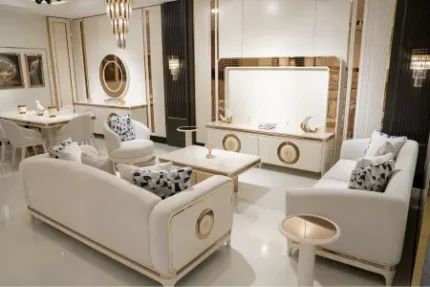
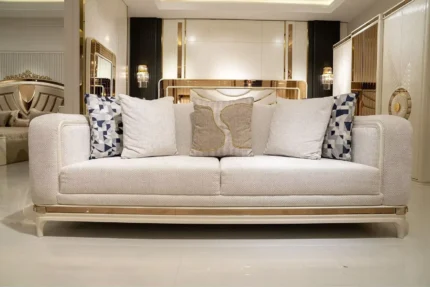
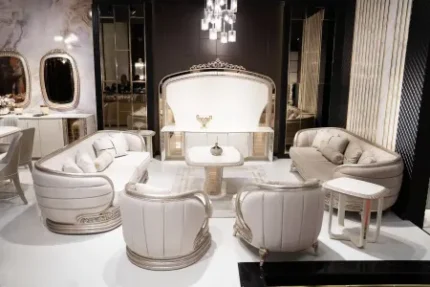
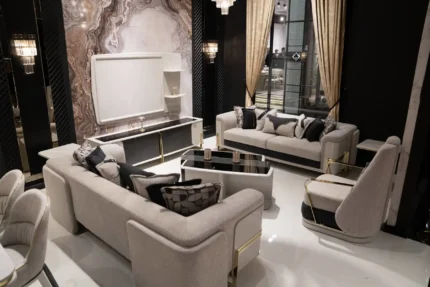
The living room is often considered the heart of the home. It is where family members gather, guests are welcomed, conversations take place, entertainment happens, and everyday moments become lasting memories. Choosing the right furniture can therefore have a major influence on how a home looks and feels. The ASUS Living Room can serve as a strong foundation for creating a sophisticated, comfortable, and practical interior designed around the way modern homeowners actually live.
A successful living room is not simply about placing a sofa in an empty space. It involves understanding proportions, arranging furniture correctly, selecting complementary colors, using lighting effectively, creating comfortable traffic flow, and adding decorative elements that express personality. When these details work together, the result is a room that feels intentional rather than randomly furnished.
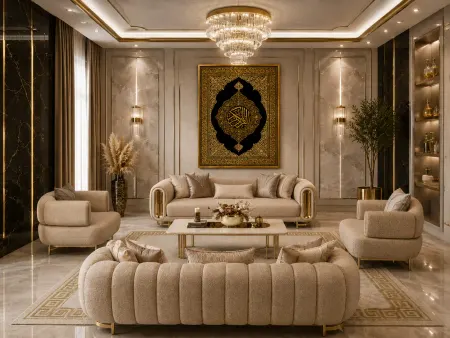
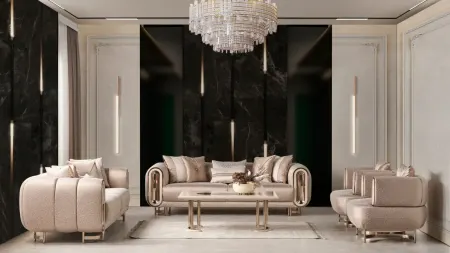
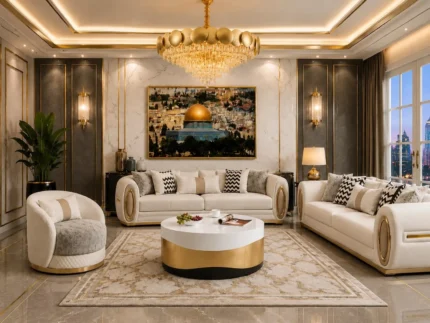
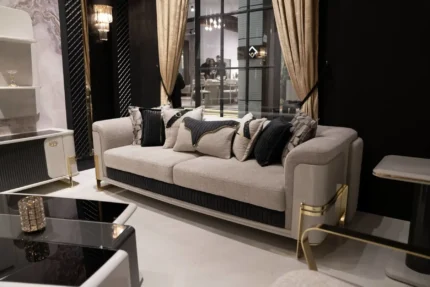
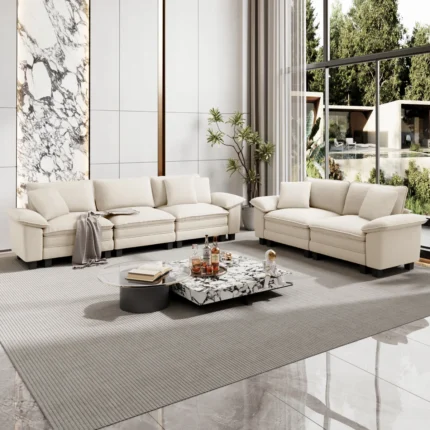
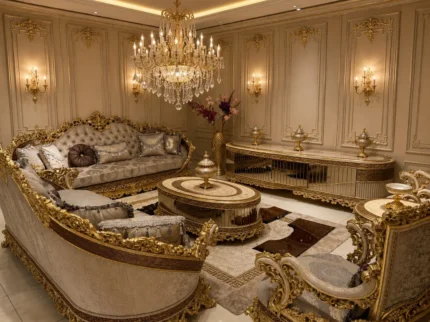
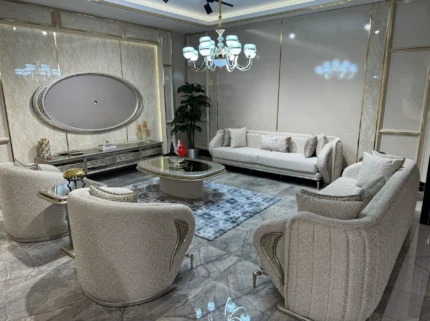
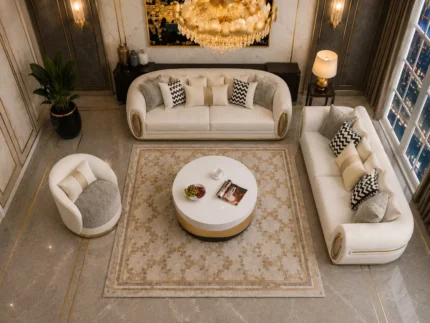
The ASUS Living Room can be styled in many different ways. It can become part of a modern apartment, an elegant family home, a contemporary entertainment area, a cozy relaxation space, or a sophisticated guest environment. The surrounding colors, textures, rugs, tables, lighting, artwork, and accessories determine the final character of the room.
For more furniture collections, home furnishing ideas, and living room options, visit https://exotichomesfunitures.com.
Understanding the ASUS Living Room
The main seating arrangement usually establishes the foundation of the living room. It determines where people sit and influences the placement of almost everything else.
When designing around the ASUS Living Room, begin with the furniture itself and then build outward.
Consider the room’s dimensions.
Consider the location of doors.
Look at the windows.
Identify the television or entertainment wall.
Consider the natural focal point.
Think about where people normally walk.
These factors will help you determine the most practical position for the ASUS Living Room.
Why Furniture Placement Matters
Furniture placement can dramatically change the appearance and functionality of a room.
Even beautiful furniture can feel uncomfortable if it is positioned incorrectly.
A sofa that blocks a doorway can create frustration.
A coffee table positioned too far away can be inconvenient.
Furniture placed too close together can make a room feel crowded.
A well-designed layout allows people to move naturally while maintaining a strong visual composition.
The ASUS Living Room should therefore be positioned according to the room rather than simply pushed against the largest available wall.
Measure Before You Buy
One of the most important lessons in furniture planning is to measure everything.
Measure the living room.
Measure doorways.
Measure hallways.
Measure stairs.
Measure elevators where applicable.
Measure the wall where the furniture will be placed.
Also consider ceiling height and window locations.
Furniture must fit into the room and also pass through the route used for delivery.
Planning measurements in advance can prevent unnecessary problems.
Understanding Scale and Proportion
Scale describes how furniture relates to the size of the room.
Proportion describes how different objects relate to each other.
An oversized furniture arrangement can overwhelm a small room.
Furniture that is too small can disappear inside a large room.
The ASUS Living Room should therefore be considered together with the size of the space.
A large room may benefit from a larger rug, substantial coffee table, accent chairs, and larger artwork.
A smaller room may require more carefully selected pieces and additional negative space.
Creating a Balanced Layout
Balance does not require every piece of furniture to match.
You can create balance through visual weight.
For example, a large ASUS Living Room arrangement can be balanced with a substantial rug, a statement lamp, artwork, or a carefully positioned plant.
Symmetrical arrangements can feel formal and organized.
Asymmetrical layouts can feel contemporary and relaxed.
Choose the approach that matches your home’s personality.
Creating Clear Traffic Flow
Traffic flow is one of the most overlooked parts of interior design.
People should be able to move around the room without constantly navigating around furniture.
Keep major walkways open.
Avoid blocking doors.
Make sure windows can be accessed.
Leave sufficient space around coffee tables.
Consider how people enter and leave the room.
Good traffic flow makes the entire ASUS Living Room arrangement feel more comfortable.
Choosing the Right Area Rug
An area rug can help define the living room.
This is especially useful in open-plan homes.
The rug can visually connect the ASUS Living Room with the coffee table and accent seating.
Size matters.
A rug that is too small can make the seating appear disconnected.
A larger rug can create a unified seating zone.
Choose a color and pattern that complement the furniture.
Neutral Rugs
Neutral rugs are versatile.
Cream.
Beige.
Gray.
Taupe.
Off-white.
These colors can provide a calm foundation.
They also allow the ASUS Living Room to remain the visual focus.
Patterned Rugs
Patterned rugs can introduce personality.
Geometric patterns can reinforce contemporary interiors.
Traditional patterns can create classic character.
Abstract designs can provide artistic energy.
When using a patterned rug, keep other patterns relatively controlled so the room does not feel visually chaotic.
Choosing a Coffee Table
The coffee table should combine style and practicality.
It should be accessible from the main seating.
There should be sufficient room to walk around it.
Choose the shape according to your furniture arrangement.
Round tables can soften rooms filled with straight lines.
Rectangular tables can work well with longer seating arrangements.
Square tables can work well in balanced rooms.
Selecting Side Tables
Side tables provide convenient surfaces for lamps, books, drinks, and decorative items.
Choose tables that relate appropriately to the height of the seating.
Side tables can also introduce additional materials into the room.
Wood can create warmth.
Metal can introduce contemporary character.
Glass can create a lighter appearance.
Designing the Lighting
Lighting can transform the atmosphere of the ASUS Living Room.
Instead of relying only on one ceiling light, use multiple layers.
Ambient lighting illuminates the overall room.
Task lighting supports activities such as reading.
Accent lighting highlights artwork and decorative features.
Floor lamps can brighten corners.
Table lamps can create warmth.
Decorative fixtures can become visual features.
Using Natural Light
Natural daylight can make a living room feel larger and more inviting.
Keep windows accessible.
Use curtains that allow you to control privacy and sunlight.
Avoid unnecessary furniture placement directly in front of windows.
Mirrors can also help reflect available light.
The ASUS Living Room can look very different under morning sunlight, afternoon light, and evening illumination, so consider all three when choosing colors.
Choosing Wall Colors
Wall color establishes the background for the furniture.
Light walls can create openness.
Warm neutrals can create comfort.
Gray can create a sophisticated atmosphere.
Dark colors can create drama.
The best wall color depends on the amount of natural light and the visual effect you want to achieve.
Creating a Neutral ASUS Interior
Neutral colors are highly adaptable.
Consider:
Cream.
Beige.
Taupe.
Warm gray.
White.
Natural wood.
A neutral room can feel peaceful and sophisticated.
Texture becomes particularly important.
Combine different materials to prevent the room from feeling flat.
Creating a Bold Interior
If you prefer stronger colors, introduce them strategically.
Deep green.
Navy.
Burgundy.
Terracotta.
Mustard.
Charcoal.
Use an accent color in several areas.
For example, if you choose deep green, repeat it through pillows, artwork, plants, or rug details.
This creates cohesion.
Creating a Contemporary Living Room
A contemporary ASUS Living Room design can use clean lines, modern lighting, neutral colors, carefully selected artwork, and minimal accessories.
Avoid unnecessary clutter.
Allow the furniture to remain visually important.
Use a few statement pieces rather than filling every surface.
Creating a Minimalist Living Room
Minimalism emphasizes simplicity and intention.
Keep only items that serve a purpose.
Use a controlled color palette.
Maintain open space.
Choose functional tables.
Limit decorative accessories.
The ASUS Living Room can become the central feature in a minimalist interior.
Creating a Luxury-Inspired Space
Luxury-inspired interiors are usually built through proportion, lighting, materials, and restraint.
Consider adding:
Elegant artwork.
Decorative mirrors.
Layered lighting.
Textured rugs.
Metallic accents.
Statement tables.
Sophisticated curtains.
Avoid overdecorating.
A few carefully chosen details can have more impact than an excessive collection of accessories.
Using Wood for Warmth
Wood can introduce warmth and natural character.
A wooden coffee table can soften a contemporary room.
Wooden shelving can create visual texture.
A wooden console can complement the ASUS Living Room while providing storage.
Choose wood tones that coordinate with the rest of your interior.
Using Metal Accents
Metal can create sophistication.
Gold and brass can introduce warmth.
Chrome and silver can create a cooler contemporary appearance.
Black metal can reinforce a modern aesthetic.
Metal can be used through lighting fixtures, table legs, mirrors, shelving, and decorative objects.
Using Glass
Glass can make a room feel visually lighter.
A glass coffee table can be particularly useful in smaller rooms because it does not visually occupy as much space as a solid table.
Glass can also create contrast with upholstered furniture.
Creating Texture
Texture is essential for visual depth.
Combine:
Soft upholstery.
Textured rugs.
Wood.
Glass.
Metal.
Woven materials.
Plants.
Decorative textiles.
A room can have a simple color palette and still feel sophisticated because of its textures.
Choosing Artwork
Artwork can personalize the ASUS Living Room.
Large artwork can create a focal point.
A gallery wall can tell a story.
Abstract art can complement contemporary interiors.
Photography can create a personal atmosphere.
Traditional artwork can introduce classic character.
Choose artwork that relates to the room’s colors and scale.
Using Mirrors
Mirrors can create the impression of additional space.
They can reflect natural light.
They can become decorative focal points.
A large mirror can make a small room feel more open.
Position mirrors so that they reflect attractive areas rather than clutter.
Adding Plants
Plants introduce organic shapes and natural color.
A large plant can fill an empty corner.
Smaller plants can decorate shelves.
Plants can also complement wood and woven materials.
Choose plants according to the light available in your room.
Creating a Cozy Atmosphere
A cozy living room combines visual warmth with physical comfort.
Add soft pillows.
Use throws.
Choose warm lighting.
Introduce rugs.
Use curtains.
Add plants.
Keep clutter under control.
The ASUS Living Room can become a relaxing environment when these elements are combined thoughtfully.
Creating a Family-Friendly Living Room
Family rooms need to accommodate different activities.
People may watch television.
Children may play.
Adults may work or relax.
Guests may visit.
The layout should therefore remain practical.
Keep walkways open.
Use accessible storage.
Avoid unnecessary decorative obstacles.
Choose accessories that can withstand everyday use.
Creating a Guest-Friendly Environment
When guests visit, seating should encourage interaction.
Position furniture so people can see each other.
Keep tables accessible.
Provide appropriate lighting.
Maintain a clean and organized environment.
A welcoming room does not need excessive decoration.
It needs thoughtful planning.
Designing Around a Television
If television is an important part of your living room, consider it when planning the layout.
Position the ASUS Living Room for comfortable viewing.
Avoid excessive glare.
Keep the screen at a comfortable viewing position.
Organize cables.
Choose a media console that complements the room.
The television area should feel integrated into the design.
Creating a Conversation Area
Not every living room should revolve around a television.
If you enjoy conversations, arrange seating toward one another.
Place the coffee table in the center.
Add an accent chair where appropriate.
Use lighting to create an inviting atmosphere.
This can make the room feel more social.
Designing a Reading Corner
A reading corner can add another purpose to the room.
Choose a comfortable chair.
Add a floor lamp.
Place a small table nearby.
Keep books accessible.
Add a soft throw.
This small zone can become a peaceful part of the ASUS Living Room.
Designing a Small Living Room
Small rooms require careful planning.
Avoid oversized furniture.
Keep the floor visually open.
Use mirrors.
Use lighter colors where appropriate.
Choose furniture that fits the room’s proportions.
Maintain clear pathways.
The ASUS Living Room should be arranged to maximize both comfort and available space.
Designing a Large Living Room
Large rooms require enough visual weight.
Use appropriately sized rugs.
Consider additional seating.
Create multiple zones.
Use larger artwork.
Introduce multiple lighting sources.
The ASUS Living Room can anchor the primary seating area.
Open-Plan Living
Open-plan homes require furniture to establish visual boundaries.
An area rug can define the living room.
A console can separate zones.
Lighting can distinguish areas.
Furniture placement can create natural divisions without blocking the openness of the home.
Apartment Living
Apartments often have limited space.
Measure carefully.
Consider storage.
Choose appropriately scaled furniture.
Use multifunctional pieces.
Avoid clutter.
The ASUS Living Room can create a strong visual foundation without requiring excessive decoration.
Creating Storage
Storage helps keep the living room organized.
Consider:
Media cabinets.
Shelves.
Console tables.
Storage baskets.
Storage ottomans.
Sideboards.
The best storage solutions combine functionality with the overall design.
Negative Space
Negative space is the empty area around furniture.
It helps the room breathe.
Do not fill every wall.
Do not cover every surface with accessories.
Allow the ASUS Living Room enough surrounding space to remain visually prominent.
Symmetrical Design
Symmetry can make a room feel orderly.
Two lamps.
Two side tables.
Matching chairs.
Balanced artwork.
This approach works particularly well for formal interiors.
Asymmetrical Design
Asymmetry can create a more relaxed contemporary look.
A large plant can balance a floor lamp.
A large artwork piece can balance smaller accessories.
The goal is visual balance rather than identical objects.
Repeating Colors
Repeating colors throughout the room creates cohesion.
If a particular color appears in the rug, repeat it in pillows or artwork.
If wood appears in the coffee table, introduce similar wood elsewhere.
This makes the room feel intentionally designed.
Creating Contrast
Contrast can come from:
Color.
Texture.
Material.
Shape.
Lighting.
For example, soft furniture can be paired with a hard-surface table.
Light walls can contrast with darker furniture.
Textured rugs can contrast with smooth floors.
Creating a Timeless Interior
Timeless design focuses on principles rather than trends.
Good proportions.
Comfort.
Balanced colors.
Functional layouts.
Quality-looking materials.
Thoughtful lighting.
The ASUS Living Room can remain relevant while smaller decorative details change.
Updating Your Living Room
You do not need to replace the main furniture whenever you want a new look.
Change:
Pillows.
Throws.
Artwork.
Rugs.
Curtains.
Plants.
Lighting.
Accessories.
This allows the ASUS Living Room to remain the foundation while the atmosphere evolves.
Seasonal Styling
Spring can bring lighter colors and fresh greenery.
Summer can emphasize airy fabrics.
Autumn can introduce warm earth tones.
Winter can bring heavier textiles and richer accents.
The furniture can remain unchanged while accessories create a new seasonal atmosphere.
Creating a Designer-Inspired Appearance
A designer-inspired room is usually about restraint.
Use appropriate proportions.
Choose a cohesive color palette.
Layer the lighting.
Select meaningful accessories.
Use artwork at the correct scale.
Maintain negative space.
Avoid unnecessary clutter.
These principles can make the ASUS Living Room appear more sophisticated.
Making the Room Feel Larger
To create visual spaciousness:
Keep pathways clear.
Use appropriate furniture proportions.
Maximize natural light.
Use mirrors.
Choose coordinated colors.
Avoid excessive decoration.
The ASUS Living Room should fit comfortably without dominating the room.
Making a Large Room Feel Cozy
Large rooms can sometimes feel empty.
Use larger rugs.
Create seating zones.
Add plants.
Use floor lamps.
Introduce textured materials.
Position furniture to encourage conversation.
These details create intimacy.
Designing a Black and Neutral ASUS Interior
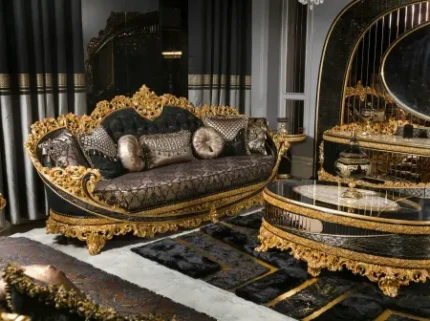
If the ASUS Living Room has dark elements, use cream, beige, white, or gray around it.
This creates contrast while maintaining sophistication.
Wood can add warmth.
Plants can add natural color.
Metal can add detail.
Designing With Greenery
Plants can make a furniture-focused room feel more organic.
Use different heights.
Place plants in corners.
Use smaller plants on shelves.
Avoid overcrowding.
The goal is to introduce nature without making the room feel like a greenhouse.
Designing With Mirrors and Light
Mirrors can reflect windows and lamps.
This makes them particularly useful in rooms where natural light is limited.
A large mirror can also create a strong decorative statement.
Creating a Sophisticated Neutral Palette
A neutral palette can include multiple shades rather than one color.
Use:
Cream.
Taupe.
Beige.
Gray.
Brown.
White.
Then introduce different textures.
This creates depth without excessive color.
Creating a Bold Accent Palette
If you want more energy, introduce one or two strong colors.
For example:
Navy and gold.
Green and cream.
Burgundy and beige.
Blue and gray.
Terracotta and white.
Repeat the chosen colors throughout the room.
Choosing Curtains for the ASUS Living Room
Curtains frame windows and influence the overall mood.
Light curtains create an airy atmosphere.
Dark curtains create drama.
Natural fabrics create warmth.
Patterned curtains introduce personality.
Choose curtains that complement the furniture rather than competing with it.
Styling the Coffee Table
Keep coffee table decoration practical.
Use a tray.
Add a book.
Place a vase.
Add a small plant.
Include one decorative object.
Leave enough open surface for everyday use.
Styling a Console
A console table can provide both storage and decoration.
Place artwork or a mirror above it.
Add lamps.
Use decorative objects.
Keep everyday clutter stored below.
Maintaining Furniture
Always follow the appropriate care instructions for the specific materials used in your furniture.
Clean spills promptly.
Avoid harsh chemicals unless approved.
Protect surfaces from excessive moisture.
Keep the surrounding room clean.
Regular maintenance helps furniture remain attractive for longer.
Designing for Real Life
The best interior is the one that supports the people living in it.
If your household watches television frequently, prioritize viewing comfort.
If you entertain often, prioritize conversation.
If you have children, prioritize storage and accessibility.
If you prefer quiet spaces, emphasize lighting and comfortable textures.
The ASUS Living Room can be adapted around these needs.
Personalizing the Room
Your living room should represent your personality.
Add family photographs.
Display books.
Use artwork.
Include travel memories.
Add meaningful decorative objects.
These details make the space feel personal rather than generic.
Creating a Relaxing Evening Space
At night, the ASUS Living Room can become a retreat.
Use warm lamps.
Reduce harsh overhead lighting.
Add soft textiles.
Keep surfaces organized.
Use subtle accent lighting.
A carefully layered lighting plan can completely change the atmosphere.
Creating a Bright Daytime Space
During the day, use natural light.
Open curtains where appropriate.
Keep windows unobstructed.
Use reflective surfaces.
Choose lighter accessories.
This creates a bright contrast against the furniture.
Creating a Multi-Purpose Room
A modern living room often needs to serve several purposes.
Main seating.
Entertainment.
Reading.
Conversation.
Occasional work.
Create different zones without making the room feel divided.
The ASUS Living Room can anchor the main seating zone.
Choosing Complementary Furniture
Not everything has to match.
Instead, look for relationships.
Similar colors.
Related materials.
Complementary shapes.
Consistent proportions.
A mixture of furniture can often look more sophisticated than a room where every piece is identical.
Why Restraint Matters
Too many accessories can reduce the impact of your main furniture.
Choose a few meaningful pieces.
Allow empty space.
Keep surfaces organized.
The ASUS Living Room should remain one of the visual highlights of the space.
Building a Cohesive Home
Your living room should connect visually with adjacent rooms.
Repeat materials.
Carry accent colors through the home.
Use related lighting finishes.
Create continuity without making every room identical.
The Importance of Comfort
No matter how attractive the design is, comfort remains essential.
People should want to sit down.
The layout should be convenient.
Lighting should be comfortable.
Tables should be accessible.
The room should feel welcoming.
The ASUS Living Room should support everyday living rather than simply looking attractive in photographs.
Final Thoughts
The ASUS Living Room can provide an excellent foundation for creating a home that combines style, comfort, organization, and functionality.
The key is to think about the entire room rather than focusing only on the furniture.
Start with measurements.
Plan the layout.
Consider traffic flow.
Choose an appropriate rug.
Add a functional coffee table.
Introduce side tables.
Layer your lighting.
Choose complementary colors.
Add texture.
Use artwork to create personality.
Introduce plants.
Organize storage.
Maintain negative space.
Then personalize everything around the way you live.
A successful living room does not have to follow every design trend. It should feel comfortable, practical, and authentic.
The ASUS Living Room can become the centerpiece of a contemporary apartment, an elegant family home, a sophisticated entertainment area, or a cozy everyday retreat.
The surrounding elements determine the final character.
A carefully selected rug can define the seating area.
A coffee table can bring the furniture together.
Artwork can express your personality.
Plants can introduce natural energy.
Lighting can transform the atmosphere.
Storage can maintain organization.
Color can create mood.
Texture can provide depth.
Together, these elements create more than a furnished room. They create a living environment designed for real life.
For additional living room furniture, home furnishing collections, and interior inspiration, visit https://exotichomesfunitures.com.
Whether your preferred style is modern, minimalist, contemporary, classic, luxurious, natural, or cozy, thoughtful planning can help you create a living room that feels balanced and complete.
The ASUS Living Room can be the beginning of that transformation—a central piece around which you can build a comfortable, stylish, functional, and welcoming home.





Reviews
There are no reviews yet.